Article Summary: Agricultural PTO (Power Take-Off) transmissions are essential components that convert engine power into functional movement for farm machinery. This guide explores how PTO transmissions enhance operational efficiency, reduce mechanical wear, and improve harvest quality. Readers will find insights on key features, selection criteria, installation practices, maintenance tips, and answers to frequently asked questions, helping them optimize farm operations and equipment lifespan.
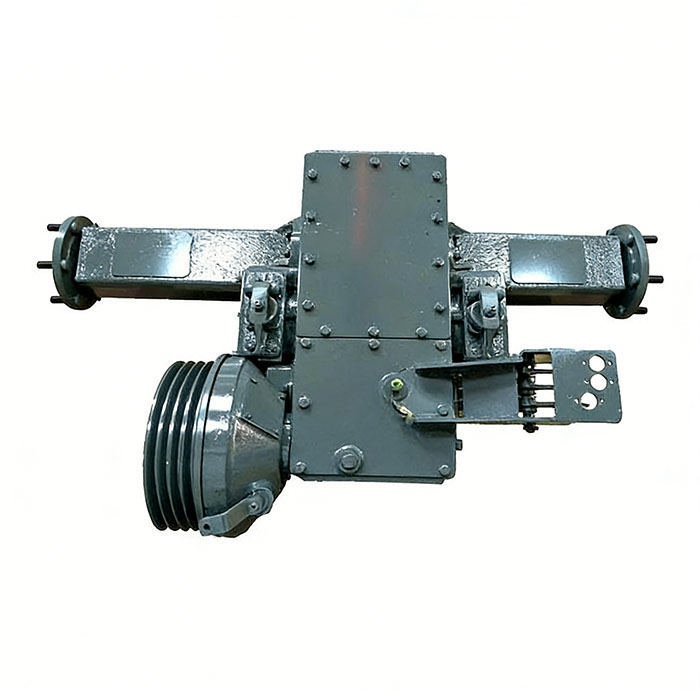
Table of Contents
Why Agricultural PTO Transmission Is Important
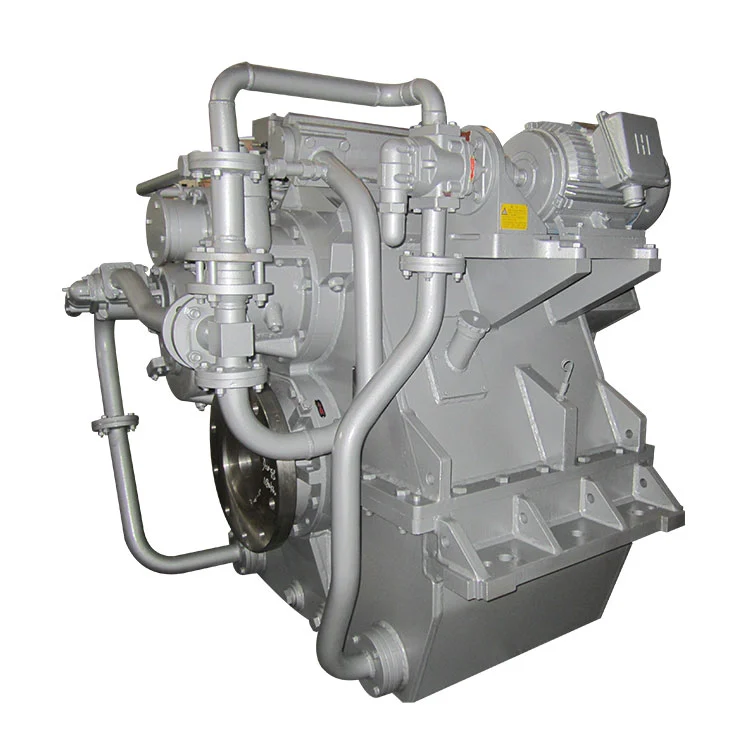
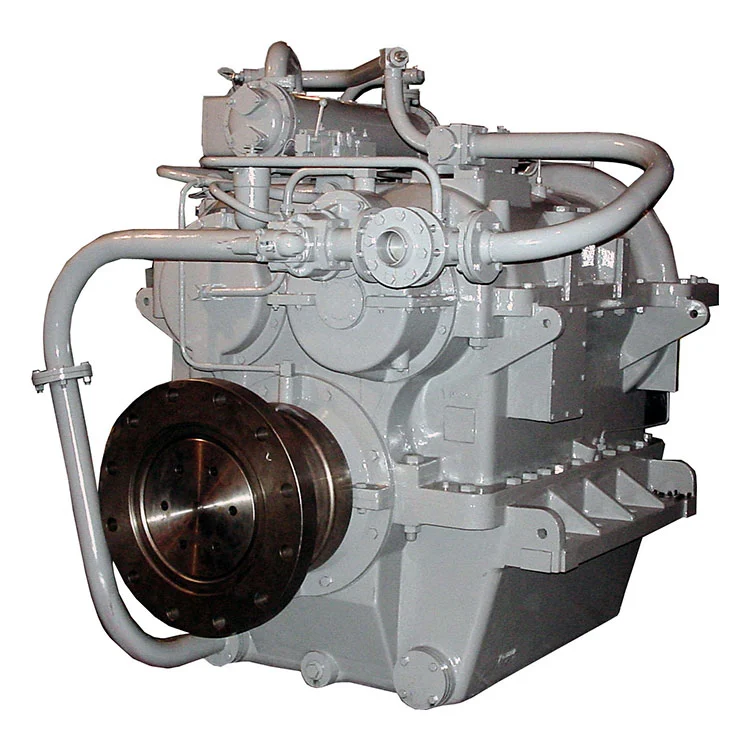
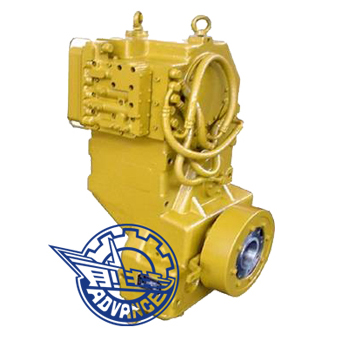
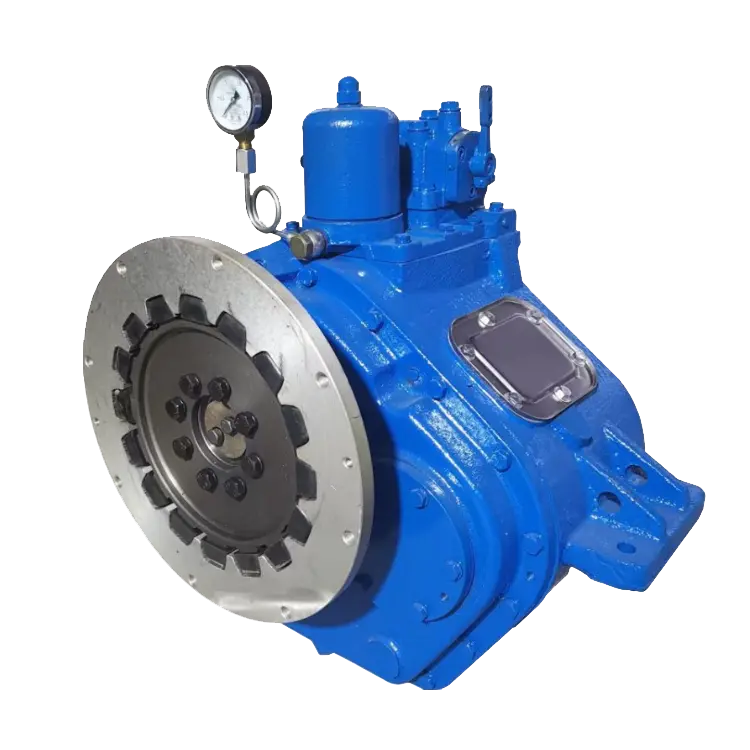
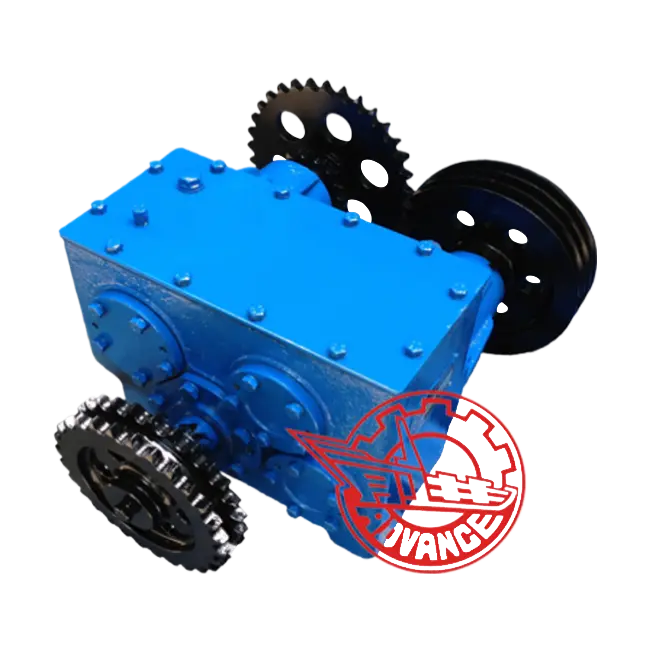
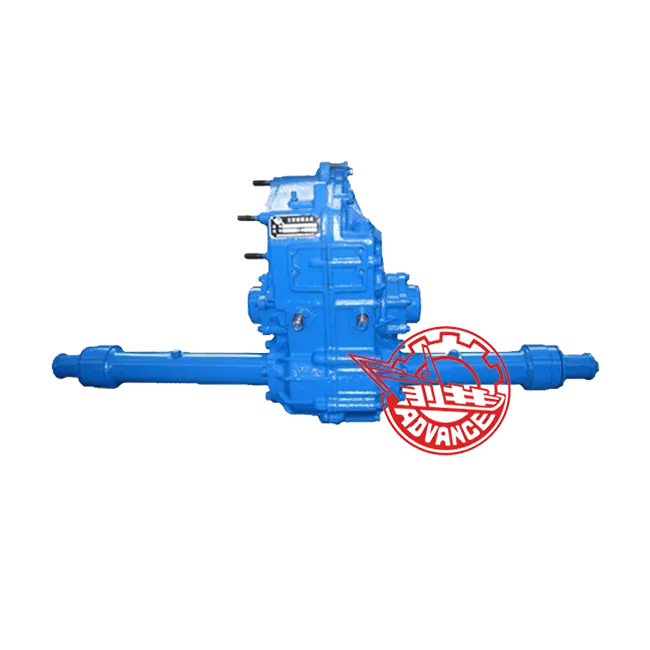
Agricultural PTO transmissions are critical for transferring engine power to various machinery components, such as cutting units, conveyors, threshers, and forage systems. Without an efficient PTO system, the machinery suffers from inconsistent torque delivery, reduced harvesting speed, and mechanical stress that can lead to downtime or expensive repairs. A high-quality PTO transmission ensures smooth, reliable power flow, improving productivity and farm output.
Key Features and Functional Benefits
- Multiple Gear Options: High, medium, and low-speed settings allow adaptation to different crop types and terrain conditions.
- Integrated Clutch and Brake: Enhances operational control and safety during machinery engagement and disengagement.
- Stepless Speed Regulation: Works with HST pumps for continuous adjustment without stopping the machinery.
- Compatibility: Supports semi-feed and full-feed harvesting systems, ensuring versatility across equipment types.
- Durability: Designed to withstand heavy loads and complex working conditions, reducing wear and maintenance frequency.
These features collectively address farmers’ pain points of efficiency, reliability, and operational flexibility.
How to Select the Right PTO Transmission
Choosing the correct PTO transmission is crucial to achieving optimal performance. Consider the following factors:
| Factor | Considerations | Impact |
|---|---|---|
| Gear Ratios | Match crop type and harvesting speed | Ensures efficient power distribution and reduces engine stress |
| Compatibility | Confirm with your harvester or forage machinery | Prevents operational failure and mechanical mismatch |
| Load Capacity | Rated for expected torque and operational load | Prolongs equipment lifespan and prevents breakdowns |
| Clutch/Brake Integration | Check inclusion for smoother operation | Improves safety and operational control |
Installation Tips for Optimal Performance
- Alignment: Ensure proper shaft alignment to prevent vibration and premature wear.
- Secure Mounting: Tighten bolts and brackets according to manufacturer specifications.
- Lubrication: Use recommended oils and check levels before operation.
- Test Operation: Run machinery under light load first to ensure smooth engagement and speed control.
Following these steps prevents damage and enhances the PTO transmission’s efficiency from day one.
Maintenance and Longevity Guidelines
- Regular Oil Checks: Monitor levels and replace oils as specified to avoid internal wear.
- Inspect for Wear: Check gears, shafts, and clutches for signs of stress or cracks.
- Clean Components: Keep dust, debris, and crop residues away from moving parts.
- Replace Worn Parts: Timely replacement of seals, bearings, and gears maintains smooth operation.
Common Issues and Troubleshooting
- Excessive Vibration: Check alignment and mounting; replace worn bearings if necessary.
- Gear Slippage: Inspect clutch condition and ensure correct engagement technique.
- Oil Leakage: Replace seals and tighten housing; verify oil type and viscosity.
- Reduced Torque Output: Check for internal wear or damage and adjust gear settings appropriately.
Frequently Asked Questions
What is the purpose of a PTO transmission in agriculture?
It transfers engine power to essential machinery components, enabling harvesting, conveying, and processing operations efficiently.
How do I know if my PTO transmission is compatible?
Check gear ratios, shaft connections, and load ratings against your specific machinery model to ensure a proper match.
Can PTO transmissions work with multiple crop types?
Yes, adjustable gear settings and stepless speed regulation allow adaptation to various crops, from wheat and rice to corn and rapeseed.
What maintenance is required?
Regular oil changes, component inspections, and timely part replacements are essential to maintain performance and longevity.
Conclusion
Agricultural PTO transmissions are vital for maximizing machinery efficiency and minimizing operational downtime. Proper selection, installation, and maintenance directly enhance harvest quality, machine longevity, and overall farm productivity.
Cagon offers advanced PTO transmission solutions designed to meet the complex demands of modern farming operations. Their durable construction, integrated clutch and brake, and adaptable gear settings make them a reliable choice for a wide range of harvesters and forage machinery.
To explore the best PTO transmission options for your farm, contact us today and receive expert guidance tailored to your operational needs.