Large container propellers - What do you know about marine propellers?
A large container propeller requires various equipment to be installed on a ship in operation. Large container propellers - These devices are used to complete production operations such as ship navigation, berthing and disembarking, loading and unloading of goods, and ensure the safety of ships and personnel.
Large container propellers - The main equipment of a ship includes power equipment, maneuvering equipment, loading and unloading equipment, and safety equipment.
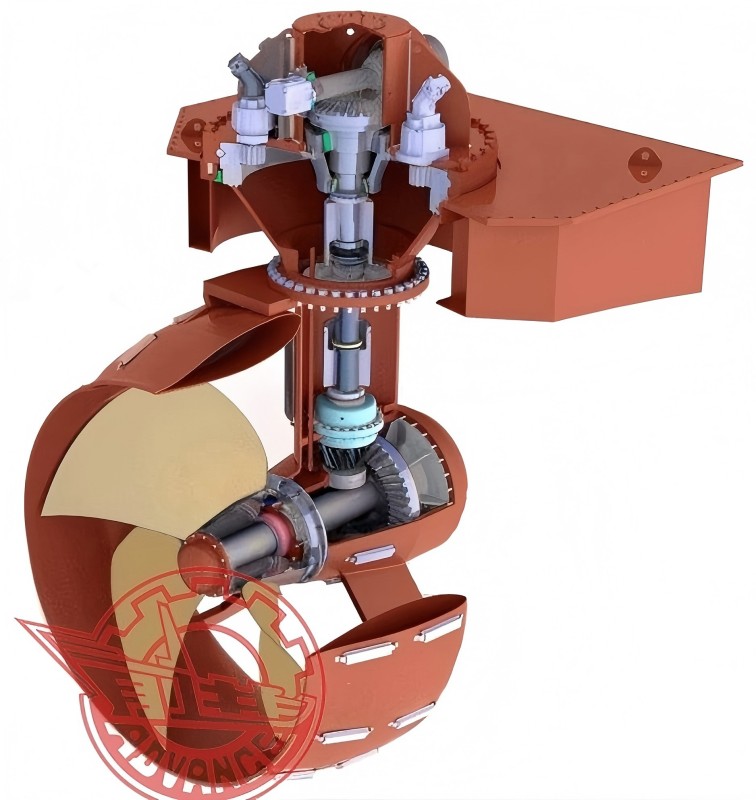
Marine propellers - in layman's terms, equivalent to car tires. Converting engine power into propulsion for watercraft is also a common propulsion device used on ships.
Large container propeller - active power device
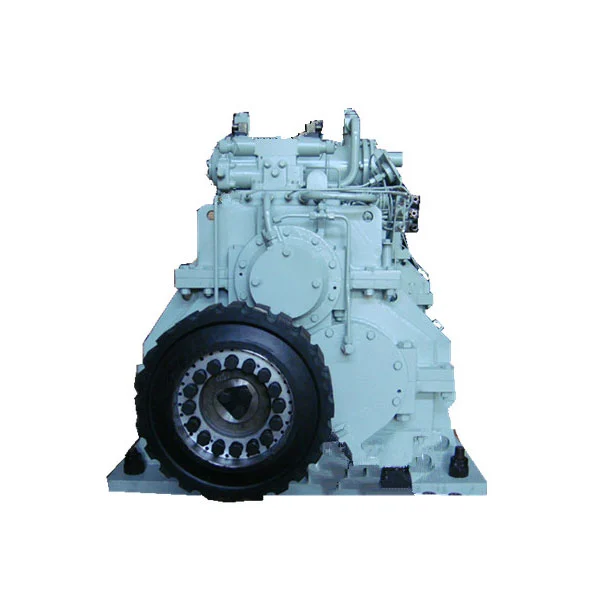
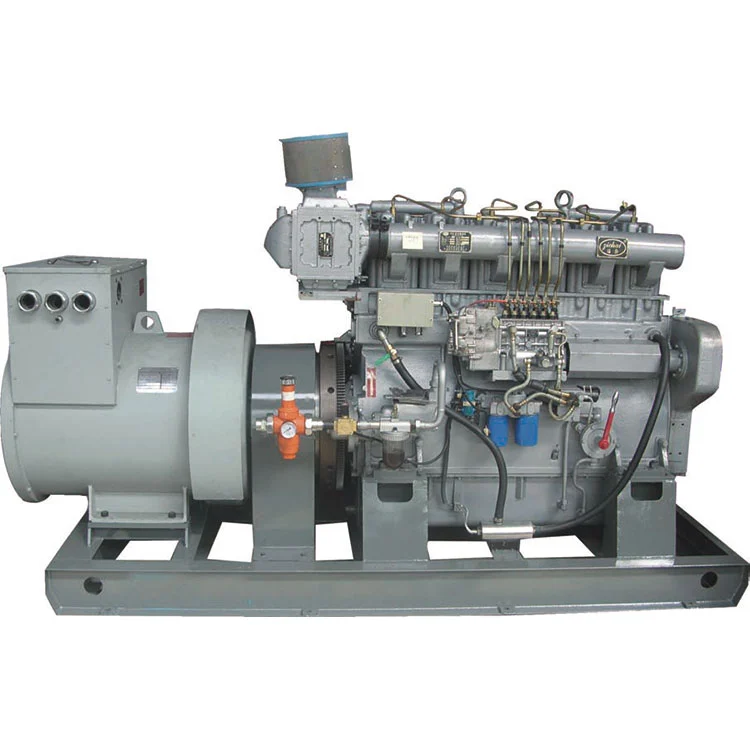
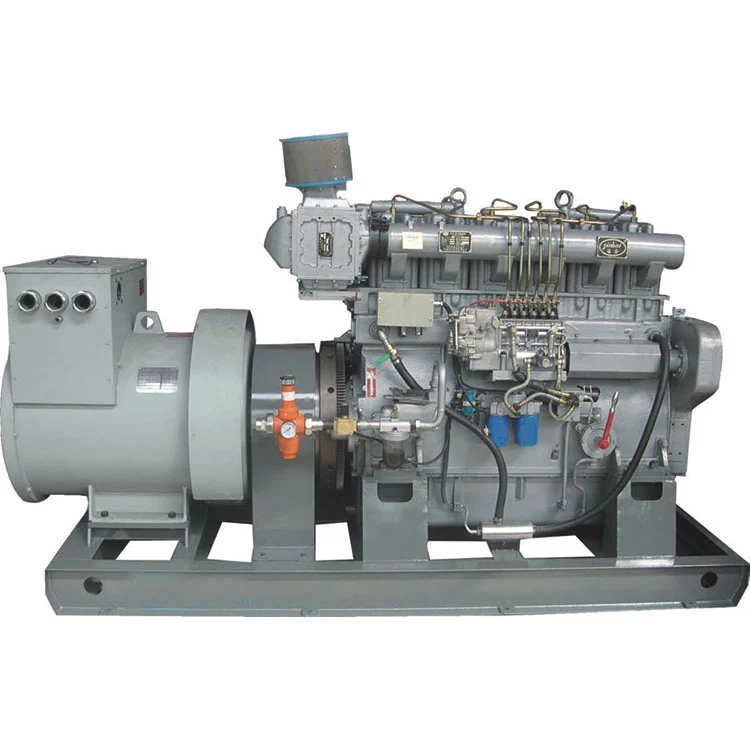
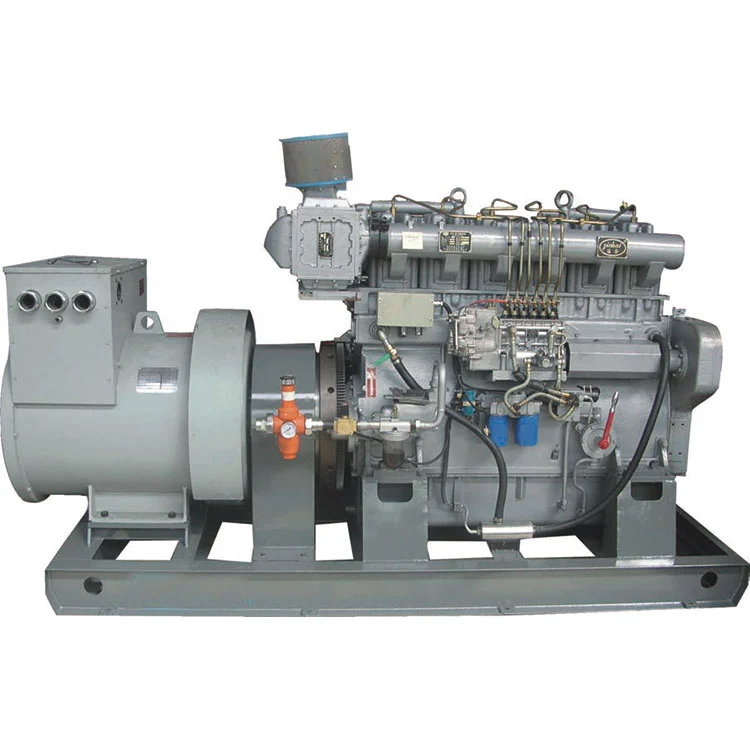
Large bulk cargo propeller - also known as the "main engine", is the heart of a ship and an important part of its power equipment. It mainly includes the ship's main engine, transmission device, shaft system, and propeller.
Large Bulk Cargo Propeller - Auxiliary Power Unit
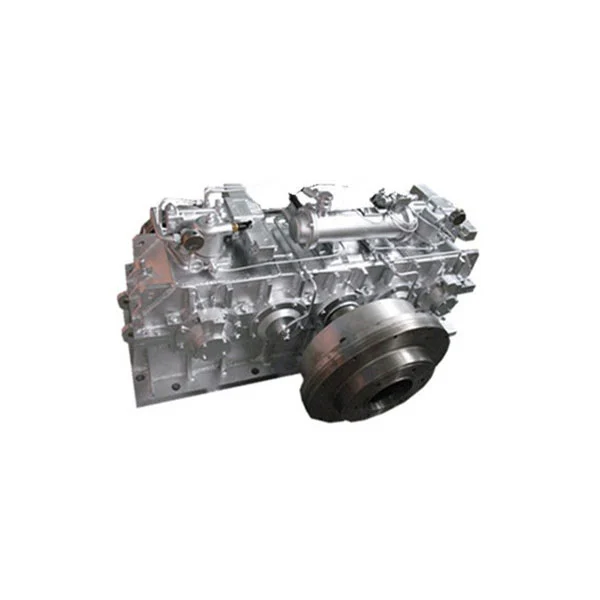
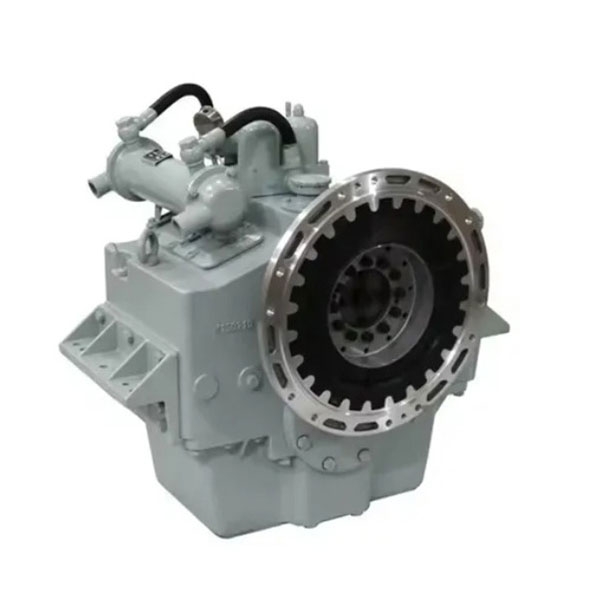
Ship auxiliary power equipment includes: propulsion device - the main engine is driven by a reduction device and a transmission shaft system to drive the propeller (propeller is the main type)

Large Bulk Cargo Propeller - Steam Boiler
Large oil tanker propellers - On ships with diesel engines as the main engine, steam boilers are required. Large oil tanker propellers consist of auxiliary fuel boilers, exhaust gas boilers, and supporting piping and equipment.
Large oil tanker propellers - auxiliary fuel boilers are used to supply auxiliary steam on board the ship, such as heating fuel and lubricating oil, heating, domestic water, kitchen, boiling water, etc., and meet the steam needs of some auxiliary equipment.
NCP series adjustable propeller - refrigeration and air conditioning unit
The NCP series adjustable propeller - a ship installed refrigeration device is used for refrigerating transported goods, refrigerating a certain amount of food, and improving the living and working conditions of crew and passengers.
The task of the NCP series adjustable propeller air conditioning device is to maintain climate conditions suitable for people's work and life in the cabin, including cooling and dehumidification in summer, heating and humidification in winter, and ventilation throughout the year.
NCP series adjustable propeller - compressed air device
NCP series adjustable propellers - generally equipped with multiple air compressors and compressed air bottles on board to supply and store the compressed air needed by the entire ship, such as starting the main and auxiliary diesel engines with compressed air; Host commutation; Provide air source for equipment such as sirens and deck pneumatic machinery.
The main equipment of NCP series adjustable propellers includes air compressors, gas storage cylinders, piping systems, safety and control components, etc.
Fixed pitch propellers - marine pumps and piping systems
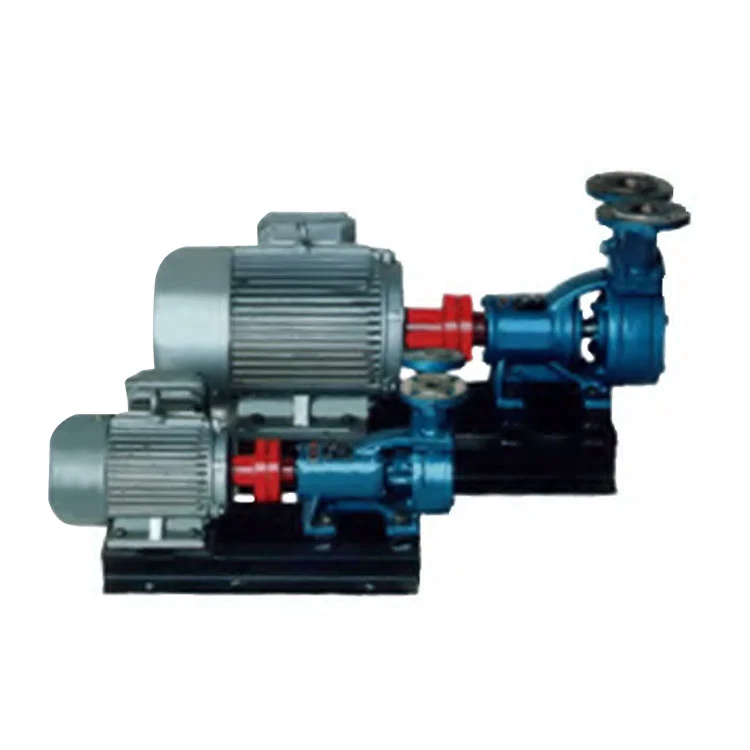
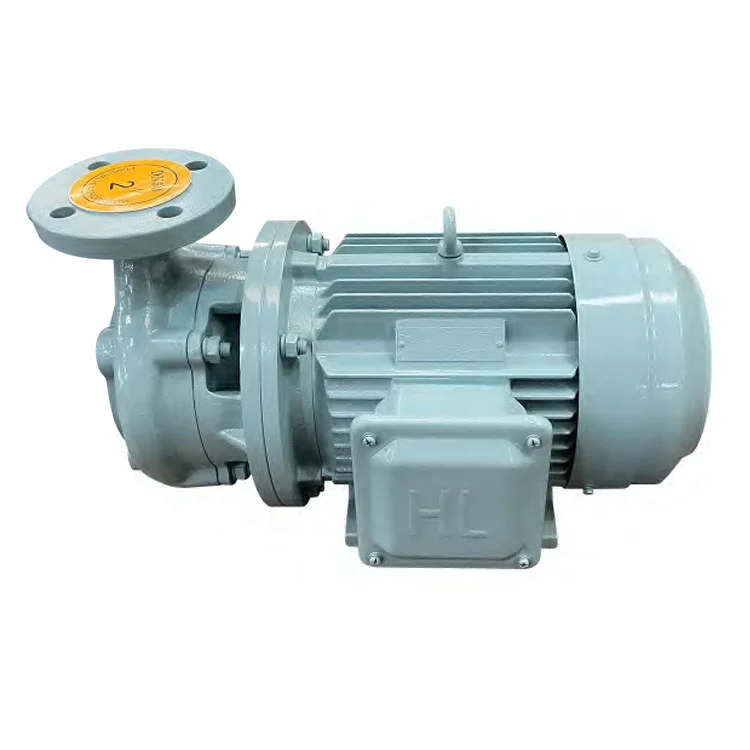
Fixed distance propeller - In order to pump liquids such as seawater, fresh water, fuel, lubricating oil, etc. on board, a certain number and different types of pumps are required. Connected to the pump, the ship is equipped with pipelines for various purposes, which can be divided into power systems and ship systems according to their different uses.
Fixed distance propeller - water production device
A water making device, also known as a water making machine, is a device that heats seawater in a vacuum state to produce steam, which is then condensed into fresh water.
Fixed pitch propeller - automation system
With the advancement of science and technology and its application on ships, the control system of the engine room is becoming better and better. The remote control and centralized control of the ship's power plant have improved the working conditions of the crew, increased work efficiency, and reduced maintenance and repair workload.