How difficult is it to produce propellers for large ships?
Large engineering ship propeller - Currently, only a few of the propeller technologies for large ships are easy to master. For a considerable period of time, the propeller technology for large engineering ships has been a "roadblock" hindering the development of large ships. The requirements for propellers are particularly high for large engineering ships, especially for large surface combat vessels such as aircraft carriers.
Large container propellers - Taking the active US aircraft carrier "Nimitz" as an example, its propeller diameter reaches 6.4 meters. An aircraft carrier usually installs 4 propellers, each propeller has 5 blades, and the weight of each blade is 30 tons. Roughly estimated, the total weight of a propeller in the "Nimitz" class is over 600 tons.
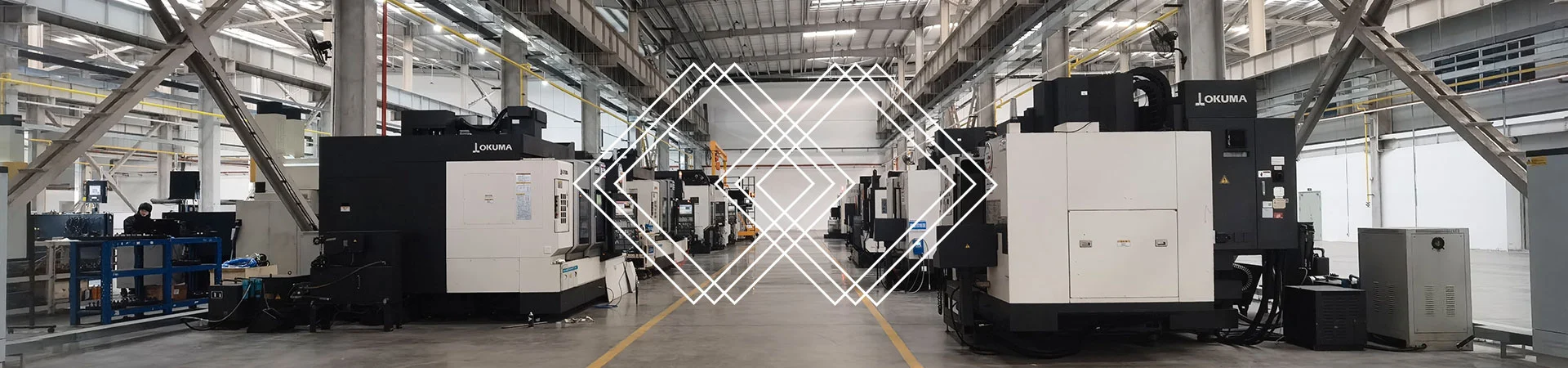
Large marine propellers generally include hubs, propeller blades, blade roots, trailing edges, blade tips, and guide edges. The manufacturing of ultra large propellers involves multiple difficulties such as casting technology (to prevent the generation of air bubbles) and mechanical processing technology. Large engineering ship propellers, especially those with complex shapes and high precision requirements, require good multi axis linkage machine tools.
Large container propellers - When it comes to the materials used to manufacture propellers, one must not be careless. Due to the long-term exposure of propellers underwater, special attention should be paid to the selection of manufacturing materials for large engineering ship propellers.
Large container propellers - Marine propellers use a special copper alloy, which is mainly made of copper. Large engineering ship propellers also add metals such as manganese and nickel to improve the rigidity of the alloy, preventing long-term corrosion by seawater and deformation under pressure environments.