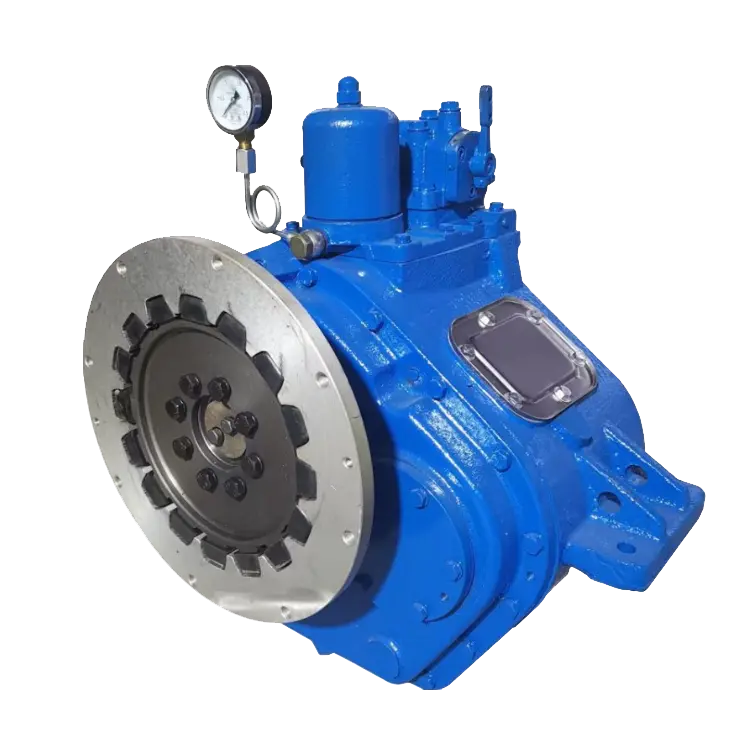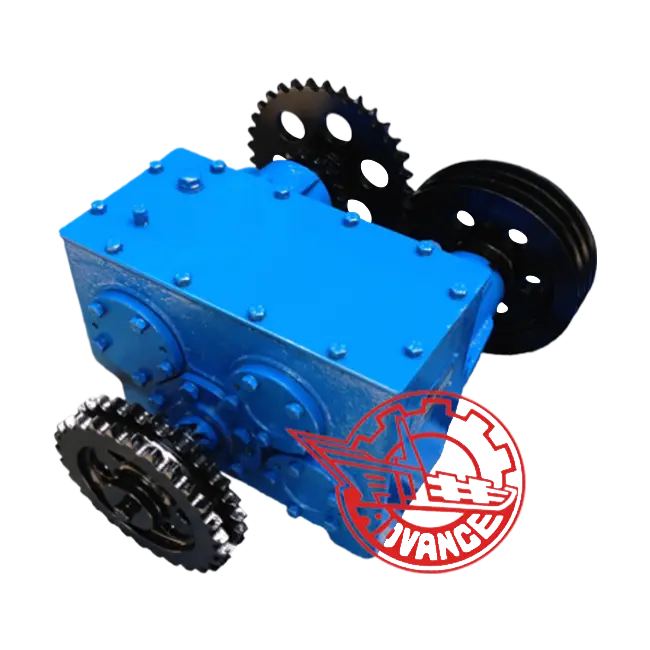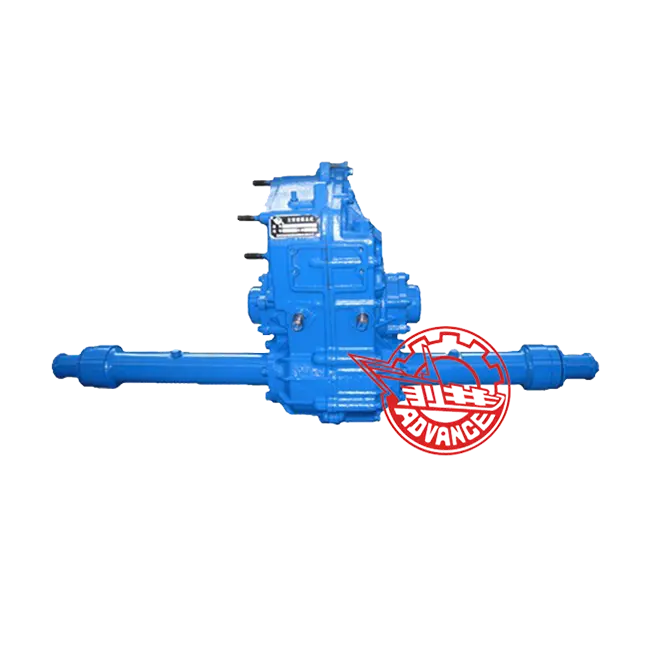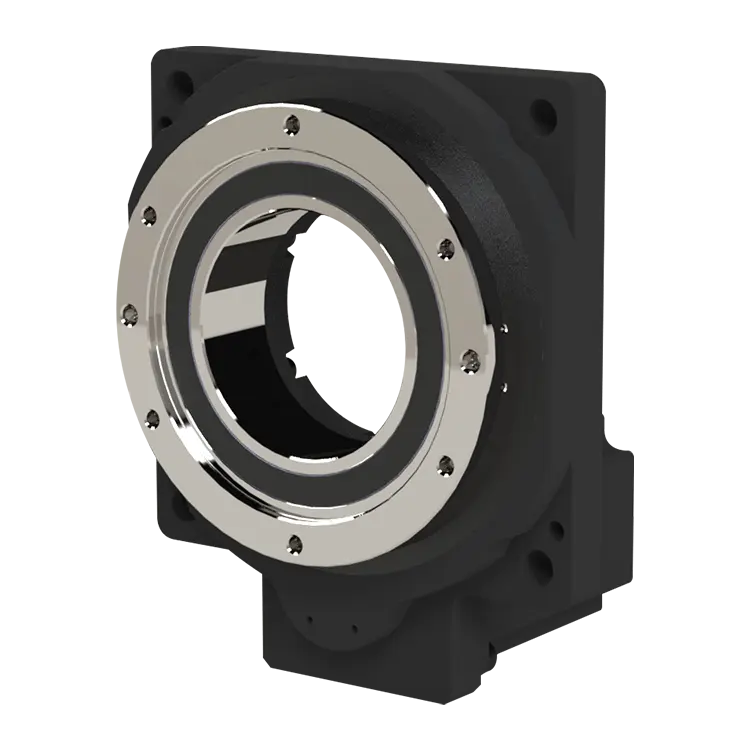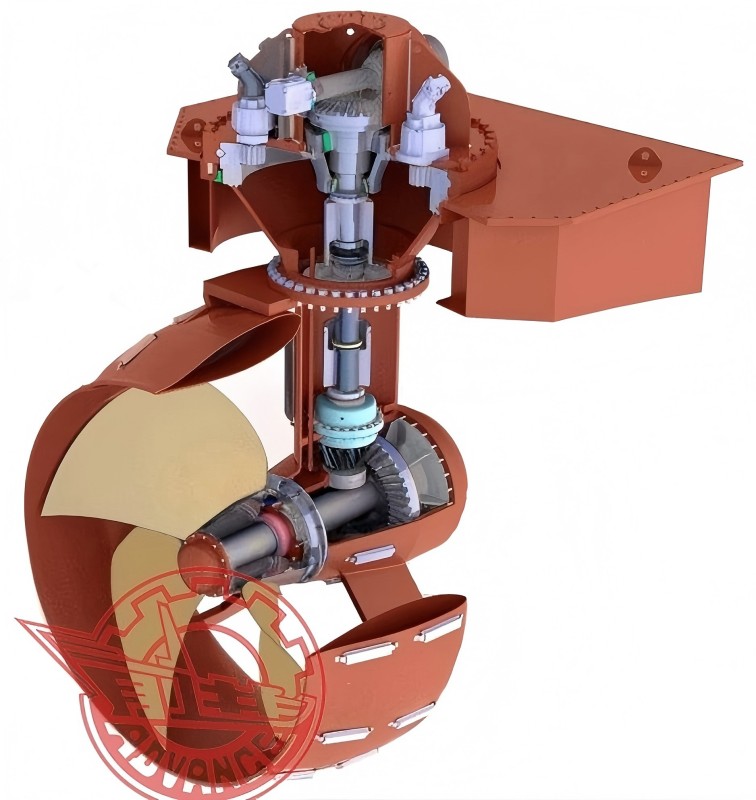
Reliable propulsion is essential for marine vessels operating in demanding environments, where transmission efficiency, mechanical durability, and operational stability directly affect vessel performance. Cagon provides the Advance HC Marine Gearbox as a proven marine transmission solution designed for different power requirements and vessel applications. With a product series tested in practical ship applications for more than 50 years, this gearbox offers multiple configurations, flexible reduction ratios, and dependable mechanical performance for fishing vessels and other marine operations.
Article Summary: The Advance HC Marine Gearbox is designed to support reliable marine power transmission through reversing, engaging and disengaging, speed reduction, and propeller thrust bearing functions. Available in HC, HCD, HCT, and HCW configurations, the series covers a transmission capacity range of 0.0044–1.48 kW/r·min⁻¹. This article explains its operating principles, construction materials, technical specifications, vessel applications, selection considerations, and maintenance recommendations to help marine equipment buyers make informed decisions.
1. What Is an Advance HC Marine Gearbox?
2. How Does the Marine Gearbox Work?
3. What Are the Main Features of the HC Gearbox Series?
4. Materials and Manufacturing Technology
5. Technical Specifications and Model Options
6. Where Is the Advance HC Marine Gearbox Used?
7. How to Select the Right Marine Gearbox
8. Installation and Maintenance Recommendations
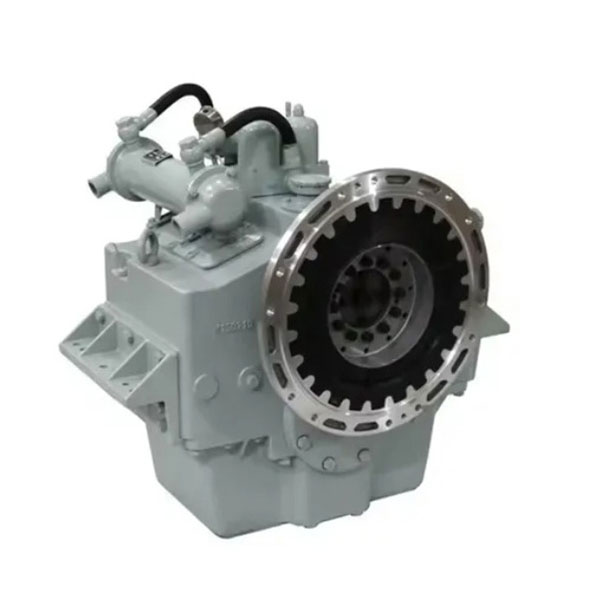
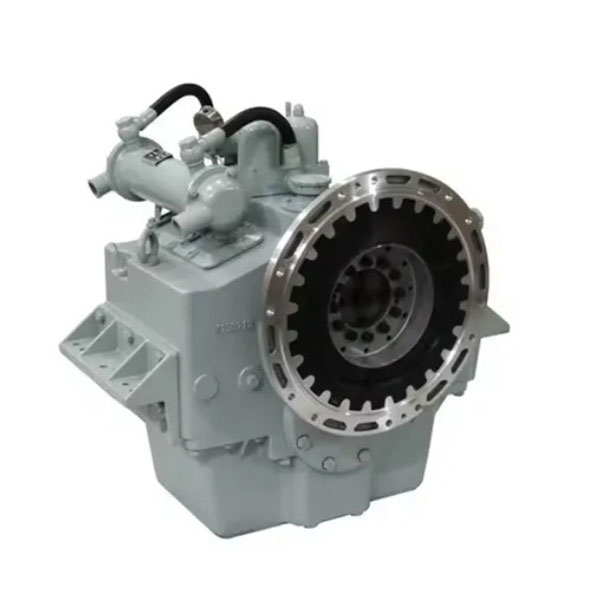
An Advance HC Marine Gearbox is a marine transmission device designed to connect a vessel's main engine with its propulsion system. It transfers engine power to the propeller while adjusting rotational speed and supporting essential propulsion functions.
Unlike ordinary industrial gearboxes, marine transmissions must operate reliably under changing loads, vibration, humidity, and demanding working conditions. They also need to accommodate the specific requirements of marine propulsion systems, including forward and reverse operation and propeller thrust transmission.
The Advance HC series is designed for small, medium, and relatively high-power marine applications. Its transmission capacity ranges from 0.0044 to 1.48 kW/r·min⁻¹, providing multiple configuration options for different vessel requirements.
The product family includes four main configurations:
The series has undergone practical ship application testing for more than 50 years, providing a substantial application history in marine transmission systems, particularly fishing vessels.
A marine gearbox performs several essential functions between the engine and the propeller. Its primary purpose is to convert the engine's rotational output into a suitable operating condition for marine propulsion.
The Advance HC Marine Gearbox integrates four important functions:
These functions allow the gearbox and main engine to work together as an integrated marine power unit.
Reduction ratio selection is particularly important. An unsuitable ratio can affect propeller speed, engine operating conditions, and overall propulsion performance. Therefore, the gearbox should be selected according to the engine's continuous power, rated speed, propeller requirements, and manufacturer recommendations.
The Advance HC Marine Gearbox combines a broad selection of specifications with a design intended for practical marine operating conditions. Several characteristics make this series suitable for different vessel propulsion requirements.
With a transmission capacity range of 0.0044–1.48 kW/r·min⁻¹, the series provides multiple options for different engine power and speed combinations. This allows buyers to evaluate different configurations rather than relying on a single gearbox specification.
Different reduction ratios help match the gearbox output speed with the requirements of the propulsion system. The available ratio must be selected based on the engine and propeller operating parameters.
The product series includes numerous model designations and input/output center distance options. This helps accommodate different installation arrangements and marine power configurations.
More than 50 years of practical ship application testing provides a valuable reference for marine equipment selection. The series is mainly used in fishing vessels, where dependable propulsion is important for daily operating activities.
Depending on the specific model, gearbox control can be configured through push-and-pull flexible shafts, electrical systems, or pneumatic systems. Buyers should confirm the applicable control arrangement when specifying a particular model.
Material selection and manufacturing processes have a direct influence on gearbox durability, load-bearing capability, and operating stability. The construction details published for the HCT1200/1 marine gearbox illustrate the materials and processes used in this product family.
Shaft and coupling components are generally manufactured from high-quality alloy steel such as 42CrMoA. Forging followed by quenching and tempering helps achieve suitable mechanical strength, toughness, and resistance to demanding torque transmission conditions.
Gear and gear shaft components commonly use low-carbon alloy steels, including:
After forging, carburizing and quenching processes are applied to improve surface hardness, wear resistance, and fatigue performance. The core retains toughness and strength to support reliable operation under complex mechanical loads.
The clutch adopts a hydraulically operated wet multi-plate friction design. Gray cast iron materials such as HT200 and HT250 are generally used for the clutch structure, providing suitable casting properties, vibration absorption, and wear resistance.
The housing is generally made from gray cast iron, including HT200 and HT250. These materials provide structural stability and help reduce vibration and operating noise.
The combination of alloy steel transmission components, surface hardening processes, and a robust housing helps support the mechanical requirements of marine power transmission.
Before purchasing an Advance HC Marine Gearbox, buyers should compare transmission capacity, reduction ratio, center distance, control method, and installation dimensions. These parameters determine whether a particular configuration is compatible with the vessel's engine and propulsion system.
| Specification | Available Information |
|---|---|
| Product Name | Advance HC Marine Gearbox |
| Transmission Capacity | 0.0044–1.48 kW/r·min⁻¹ |
| Gearbox Types | HC, HCD, HCT, HCW |
| Model Designations | 06, 16, 26, 40A, 100, 120, 138, 200, 300, 400, 600, 800, 1000, 1100, 1200, 1400, 1600, 2000 |
| Input/Output Center Distance Options | MA100, MA125, MA142, MB170, MB242, MB270 |
| Main Applications | Marine propulsion systems, particularly fishing vessels |
The HC400A is one example of the HC series. Its published technical parameters provide a more detailed reference for buyers evaluating a specific gearbox model.
| Parameter | HC400A Specification |
|---|---|
| Input Speed Range | 1000–1800 r/min |
| Reduction Ratios | 1.50, 1.77, 2.04, 2.50, 2.86, 3.00, 3.25, 3.33, 3.42, 4.06, 4.61, 4.94 |
| Control Methods | Push-and-pull flexible shaft, electrical, pneumatic |
| Rated Thrust | 82 kN |
| Center Distance | 264 mm |
| Flywheel Options | SAE 18, SAE 16, SAE 14 |
| Bell Housing Options | SAE 0, SAE 1 |
| Weight | Approximately 820 kg |
| Dimensions | 641 × 1010 × 890 mm |
Important: The HC400A specifications above refer to this particular model and should not be treated as universal specifications for every HC series gearbox. Buyers should request the corresponding technical datasheet for their selected configuration.
Marine vessels operate under different load conditions and propulsion requirements. The versatility of the Advance HC series makes it relevant to several marine applications, particularly vessels requiring dependable mechanical power transmission.
Fishing vessels are the primary application area identified for this gearbox series. Their propulsion systems must support routine navigation, maneuvering, and varying operating loads. A correctly selected marine gearbox helps coordinate engine speed with propeller requirements.
Different model specifications and reduction ratios allow the series to be evaluated for small and medium-sized vessels with different engine configurations. The final selection should be based on the actual propulsion system parameters.
Depending on the model's rated capacity, installation dimensions, and compatibility, selected HC configurations may also be considered for other marine propulsion projects. Technical confirmation is necessary before application.
For buyers comparing marine transmission products, related equipment such as marine propulsion gearboxes, marine propellers, and marine propulsion shafts should also be evaluated as part of the complete propulsion system.
Choosing a suitable marine transmission requires more than matching the engine's nominal horsepower. The gearbox must operate within the specified mechanical limits and remain compatible with the vessel's propulsion arrangement.
Consider the following factors before placing an order:
One important selection principle is that the calculated transmission capacity should remain below the applicable value specified in the gearbox manual. The relationship between reduction ratio and transmission capacity must also be considered.
Rigid connections between the gearbox and engine shaft system are not permitted. The installation arrangement should use an appropriate support structure and coupling solution. If the engine and gearbox are mounted on different types of supports, consult the manufacturer's technical department to determine the correct high-elastic coupling.
For accurate selection, buyers should provide the engine model, continuous power, rated speed, desired reduction ratio, propeller information, and installation requirements.
Correct installation and regular maintenance are essential to maintaining marine gearbox performance throughout its service life. Even a well-designed transmission can experience premature wear if installation conditions or operating procedures are unsuitable.
Maintenance schedules should be established according to actual operating hours, vessel conditions, and manufacturer recommendations. Early detection of abnormal operating conditions helps reduce unexpected downtime and unnecessary repair costs.
The gearbox connects the main engine to the marine propulsion system. Its main functions include speed reduction, forward and reverse operation, engagement and disengagement, and bearing propeller thrust.
The series includes HC, HCD, HCT, and HCW types. Each configuration serves different transmission and installation requirements. Buyers should confirm the appropriate type with the manufacturer.
The published transmission capacity range is 0.0044–1.48 kW/r·min⁻¹. The appropriate value depends on the selected model, engine power, rated speed, and reduction ratio.
The series is mainly used in various fishing vessels. Depending on the specific model and technical compatibility, it can also be evaluated for other small, medium, and higher-power marine propulsion applications.
Construction details for the HCT1200/1 include 42CrMoA alloy steel for shaft and coupling components, carburized alloy steel for gears, gray cast iron for the clutch structure, and gray cast iron for the housing. Exact material specifications may vary by model.
The reduction ratio should be selected according to engine continuous power, rated speed, propeller requirements, and the gearbox's permitted transmission capacity. Always consult the technical manual and manufacturer before finalizing the configuration.
No. Rigid connections between the gearbox and engine shaft system are not permitted. An appropriate coupling arrangement should be selected to accommodate the installation and support conditions.
Prepare the engine model, rated power, rated speed, desired reduction ratio, propeller specifications, required control method, and installation dimensions. Providing these details helps the supplier evaluate compatibility and recommend an appropriate gearbox configuration.
The Advance HC Marine Gearbox is a versatile marine transmission series designed to support different vessel propulsion requirements. Its broad transmission capacity range, multiple gearbox configurations, varied reduction ratios, and established practical ship application history make it an important option for fishing vessels and other marine power systems.
However, achieving reliable propulsion performance requires more than selecting a gearbox based on model designation alone. Engine compatibility, transmission capacity, reduction ratio, propeller thrust, coupling configuration, and installation dimensions must all be carefully evaluated before purchase.
As a marine transmission supplier, Cagon helps customers identify suitable gearbox solutions according to their project requirements. Whether you are replacing an existing marine transmission or specifying equipment for a new vessel, choosing the correct model is an important step toward dependable propulsion performance. Explore the Advance HC Marine Gearbox product details and contact us today to discuss your engine parameters, technical requirements, and marine transmission needs. Our team is ready to help you find a suitable solution for your next marine propulsion project.