Article Summary: This comprehensive guide explores the functioning, installation, and maintenance of Marine Air Conditioners. It includes detailed specifications, answers frequently asked questions, and provides insights for vessel owners seeking reliable cooling solutions. Featuring Cagon marine air conditioning systems, this article ensures readers understand selection criteria, operational mechanics, and practical usage tips for long-term efficiency.
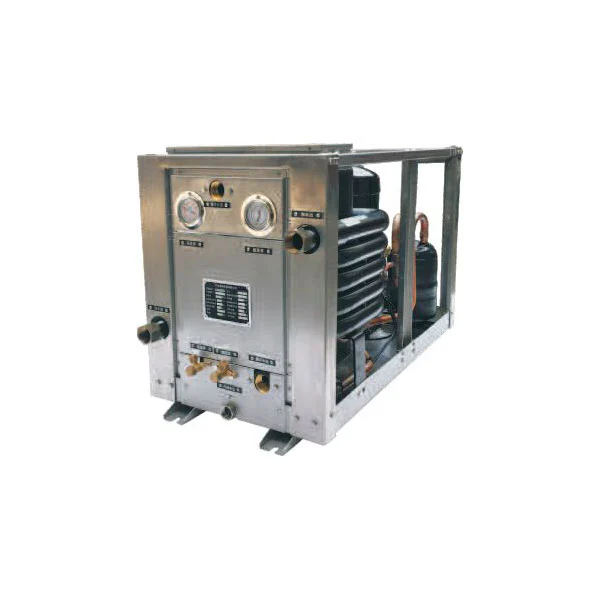
Marine Air Conditioners are specialized HVAC systems designed for vessels ranging from yachts and sailboats to larger ships. Unlike residential systems, marine units must withstand high humidity, saltwater exposure, and variable power sources while maintaining efficient cooling throughout enclosed spaces.
The central objective of this guide is to help vessel operators select, install, and maintain Marine Air Conditioners that ensure reliable performance and comfort. The parameters below represent a typical high-performance unit offered by leading brands, including Cagon.
| Parameter | Specification |
|---|---|
| Cooling Capacity | 5,000 – 30,000 BTU/hr |
| Power Supply | 110V / 220V AC, 50/60Hz |
| Compressor Type | Rotary or Scroll Compressor |
| Refrigerant | R-410A / R-134a |
| Weight | 20 – 80 kg |
| Noise Level | 40 – 55 dB |
| Installation Type | Through-Hull or Ducted System |
| Operating Temperature Range | 16°C – 35°C (60°F – 95°F) |
By understanding these parameters, vessel owners can determine which system fits the space, power availability, and cooling requirements of their boat. Proper sizing ensures optimal efficiency and longevity.
Installing a Marine Air Conditioner requires careful planning to prevent vibration, noise, and water ingress. Key considerations include:
Placement must consider accessibility for maintenance, proper airflow, and minimization of vibration transmission to the vessel's structure. A bulkhead-mounted unit is often recommended for easier servicing.
Marine AC systems must be connected to a stable AC power supply, with circuit breakers sized according to unit specifications. Proper grounding and surge protection prevent electrical hazards in a marine environment.
Effective ducting ensures uniform cooling throughout cabins and engine rooms. Flexible marine-grade ducts are recommended to minimize noise transmission and condensation buildup.
Seawater-cooled systems require a through-hull intake. Strainers and anti-backflow valves prevent clogging and corrosion. Pump efficiency directly impacts the cooling performance and system longevity.
Routine maintenance is essential for longevity and performance. Steps include:
Filters should be cleaned monthly, while coils require quarterly inspection. Salt buildup can reduce heat exchange efficiency, increasing energy consumption.
Low refrigerant levels lead to inadequate cooling and potential compressor damage. Ensure a certified technician inspects and refills refrigerant as required.
Check for leaks, vibration, and noise. Early detection of pump or compressor issues prevents extensive damage.
For seasonal vessels, draining water lines, disconnecting pumps, and protecting components from freezing temperatures is essential.
A1: Marine Air Conditioners should undergo preventive maintenance at least once every 6 months, including cleaning of filters and coils, checking refrigerant levels, inspecting pumps, and ensuring electrical connections are intact. Regular servicing prevents efficiency loss and costly repairs.
A2: Yes, Marine Air Conditioners can operate while anchored as long as a reliable power source is available, such as shore power or an onboard generator. Efficiency may vary depending on ambient temperature, boat insulation, and ventilation.
A3: With proper installation and regular maintenance, Marine Air Conditioners typically last 10–15 years. Lifespan depends on operating conditions, quality of components, and adherence to manufacturer maintenance guidelines.
Cagon offers a wide range of high-performance Marine Air Conditioners suitable for vessels of all sizes. Their systems are engineered for durability, efficiency, and ease of maintenance, meeting rigorous marine standards. Choosing Cagon ensures reliable cooling and long-term comfort for marine operations.
For detailed product inquiries, installation guidance, or maintenance support, contact us directly. Cagon’s team provides professional consultation and technical assistance tailored to each vessel’s requirements.