What is the typical rotational speed of an air conditioning precision reducer?
The performance of air conditioning precision reducer fan depends on multiple factors, one of which is the speed. The speed of a fan is usually measured in revolutions per minute. The speed of the precision reducer for air conditioning will affect the following key performance parameters:
Pressure of precision reducer for air conditioning: The speed of the fan also affects the air pressure it generates. High speed typically generates higher wind pressure, which is crucial for applications that require long-distance air transportation or overcoming pipeline resistance.
Precision reducer air volume for air conditioning: The speed of the fan is directly proportional to the amount of air it generates. Normally, an increase in rotational speed leads to a larger airflow, which is crucial for applications that require high airflow, such as air ventilation and exhaust.
Precision reducer efficiency of air conditioning: The efficiency of the fan is usually within a specific speed range. Within this range, precision reducers for air conditioning can generate tremendous air volume and pressure with minimal energy consumption. Therefore, selecting the correct rotational speed can help improve the energy efficiency of the system.
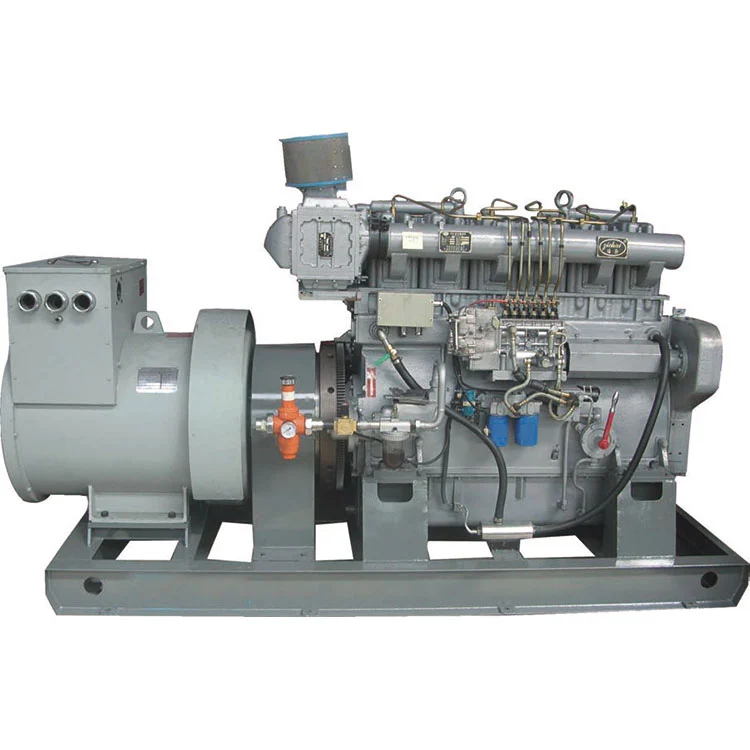
The speed of precision reducers for air conditioners is usually determined by manufacturers based on specific application requirements and design parameters. When choosing a fan, the following factors need to be considered for the hollow right angle integrated design:
Precision reducer for air conditioning - efficiency requirements: Considering energy efficiency requirements, find the fan speed with high efficiency at specific operating points. Good efficiency usually reduces energy consumption and operating costs.
Hollow right angle integrated - noise and vibration: Hollow right angle integrated - high-speed fans usually produce more noise and vibration, which may interfere with certain applications. Hollow right angle integration - noise and vibration levels are also factors to consider.
Hollow right angle integrated - Application requirements: Consider the required air volume and pressure of the fan in specific applications. Different applications require centrifugal fans with different air volumes and pressures.
Hollow right angle integrated system resistance: Consider the system resistance of related components such as pipelines, filters, and air vents. These resistances will affect the required wind pressure.
Hollow right angle integrated - Space limitation: Sometimes space limitations can also affect the selection of fans, as high-speed rotating fans require larger installation space.