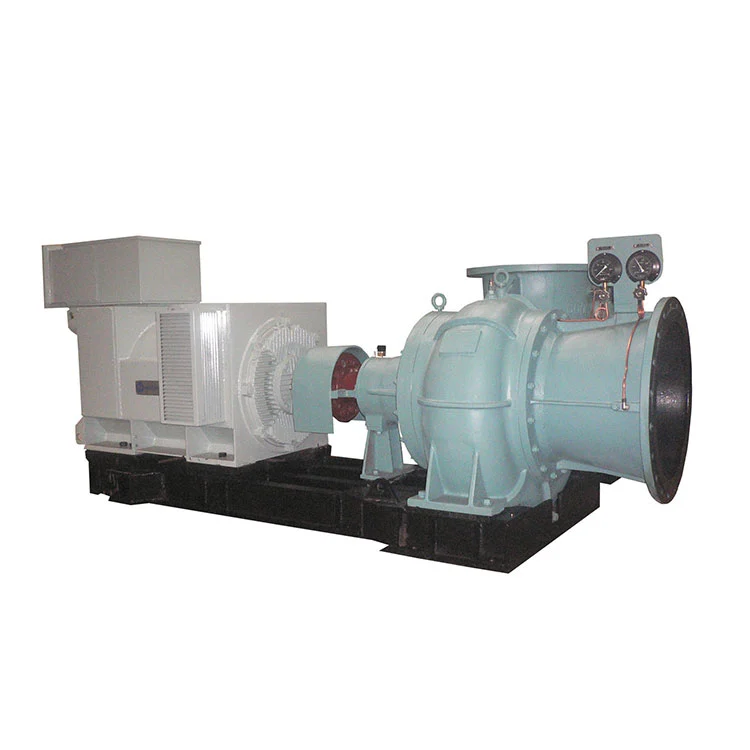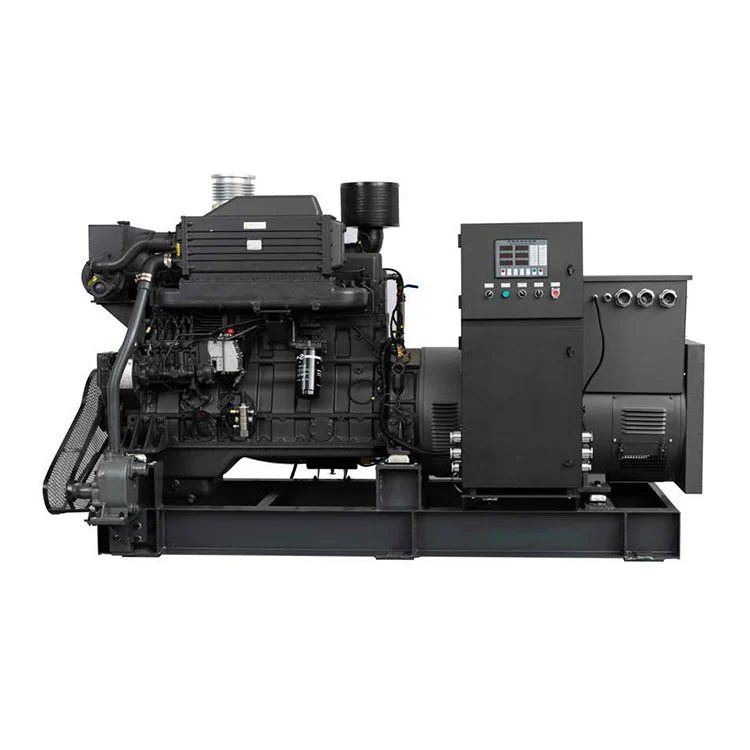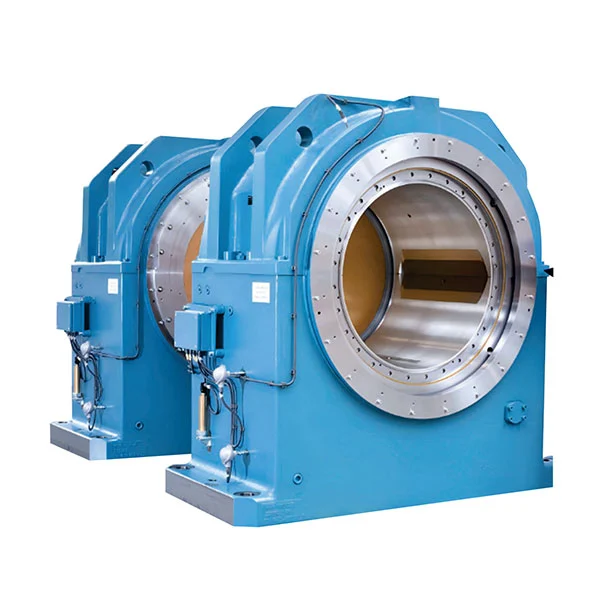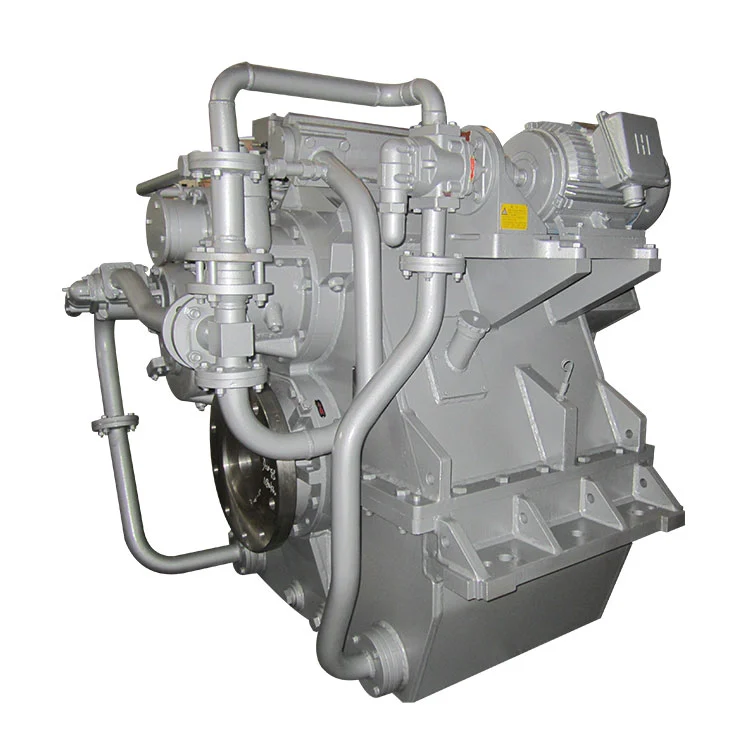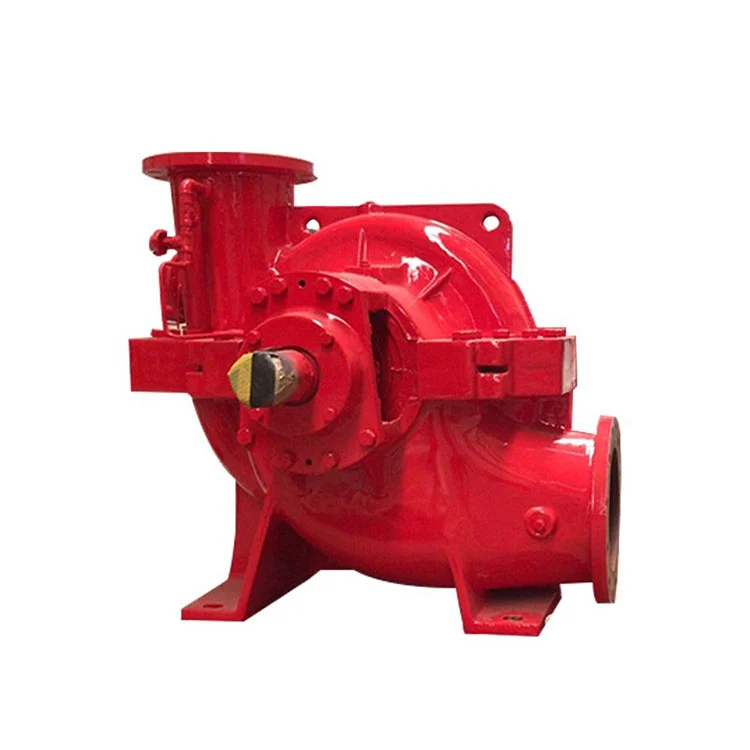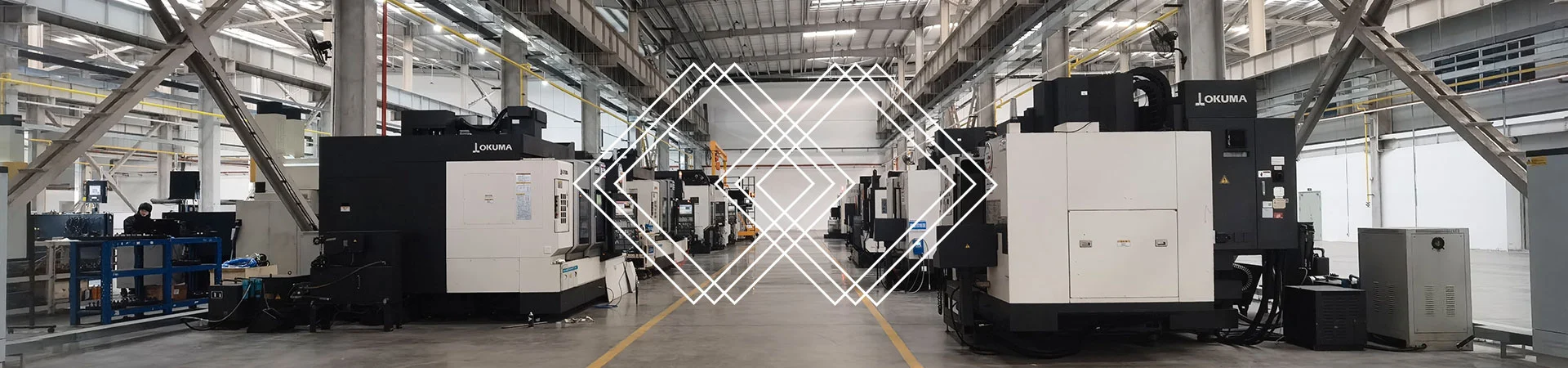
The global maritime sector continues to evolve with increasing demand for advanced propulsion integration, optimized vessel efficiency, and improved operational safety. In this environment, Marine Equipments have become a central focus for shipbuilders, fleet operators, and engineering teams seeking reliable and adaptable solutions for diverse vessel types. The growing emphasis on system compatibility and lifecycle performance has reshaped how propulsion architecture is designed and maintained across commercial and specialized fleets.
Modern propulsion systems are no longer limited to isolated mechanical components. Instead, they function as integrated ecosystems where control systems, gear assemblies, and hydrodynamic structures operate in synchronization. The Equipments play a critical role in ensuring this integration remains stable under varying load conditions and environmental challenges. From propulsion efficiency to maneuverability enhancement, the advancement of these systems reflects continuous innovation in naval engineering practices.
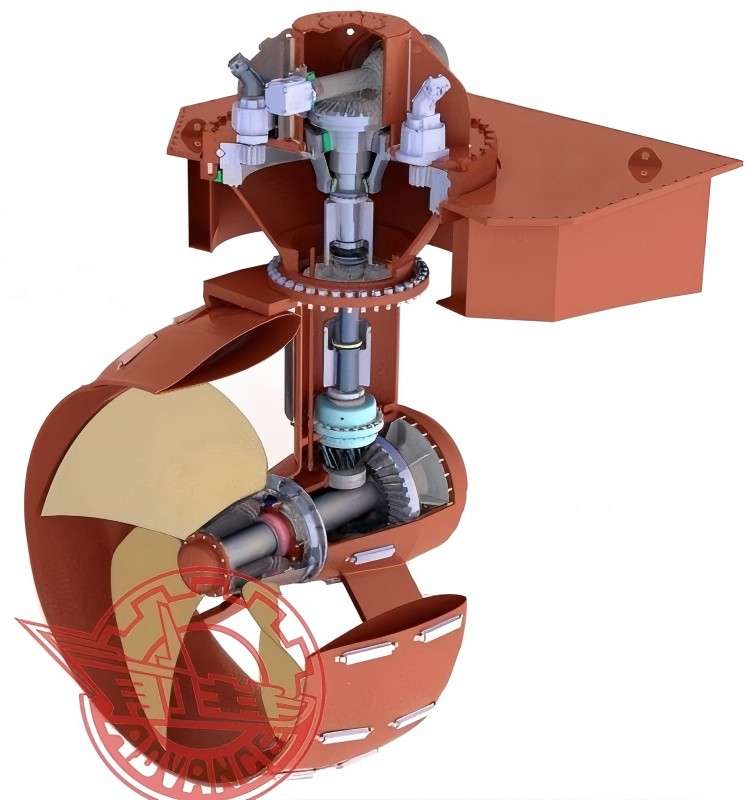
A typical propulsion configuration now includes propulsion units, shaft alignment structures, sealing mechanisms, and control interfaces. Each component must work cohesively to ensure optimal thrust generation and directional stability. Marine Equipments are designed to support this architecture by providing modular compatibility and structural reliability across different vessel categories such as offshore support vessels, dredging platforms, and research fleets.
The performance of a marine propulsion system depends heavily on the coordination of multiple technical elements. These include gear transmission assemblies, propeller designs, and coupling mechanisms that collectively define operational efficiency. The Equipments contribute to these systems by offering adaptability across different propulsion requirements and ensuring consistent performance in demanding marine environments.
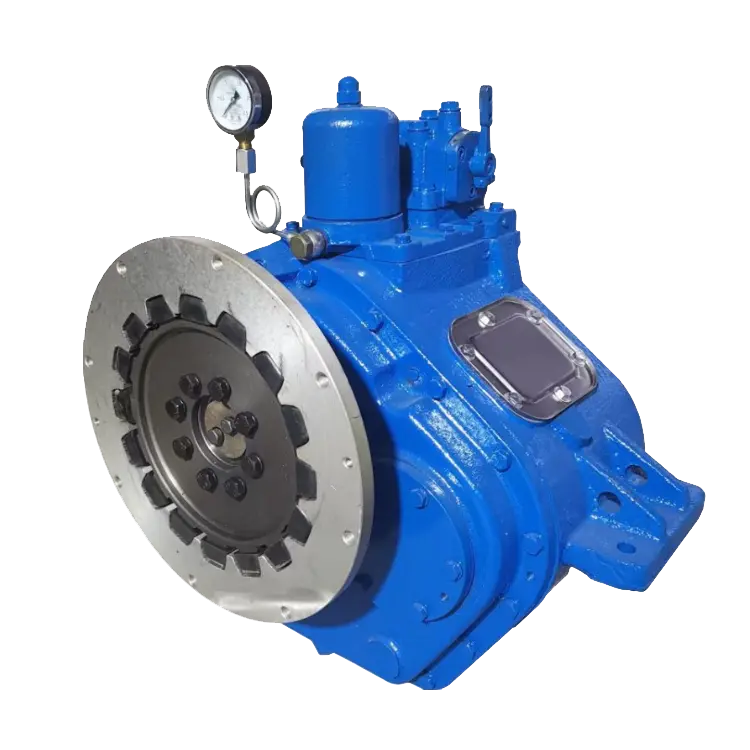
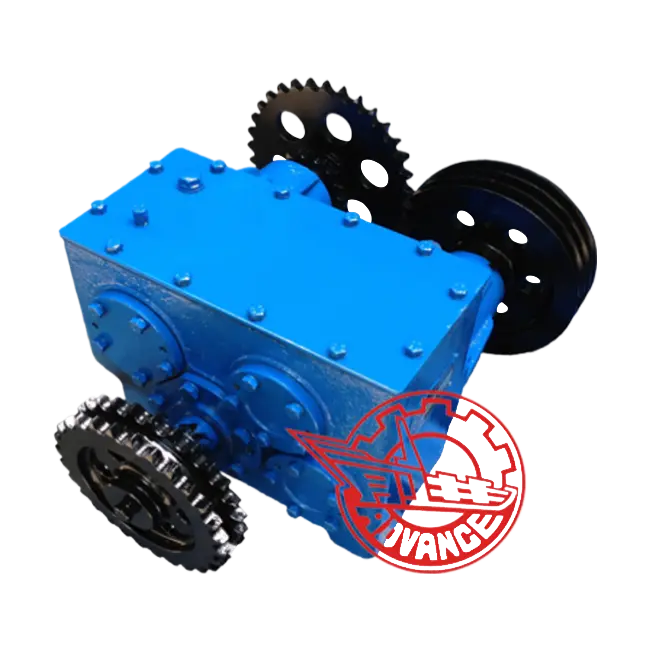
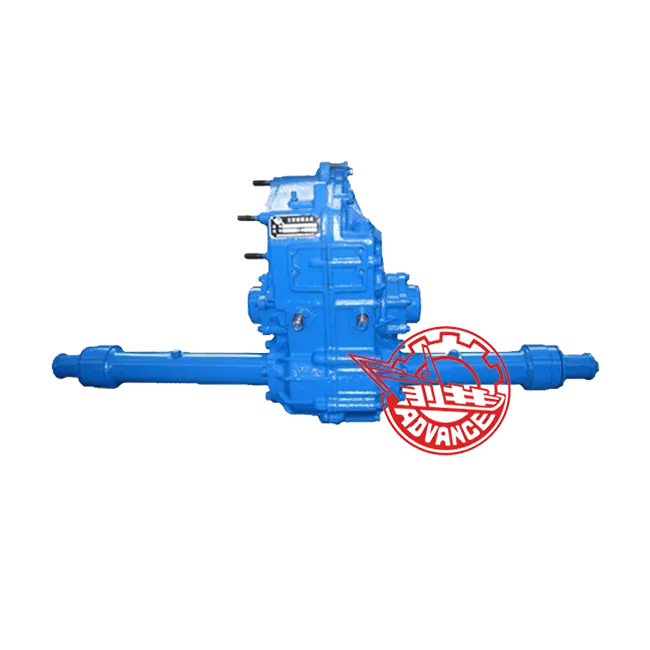
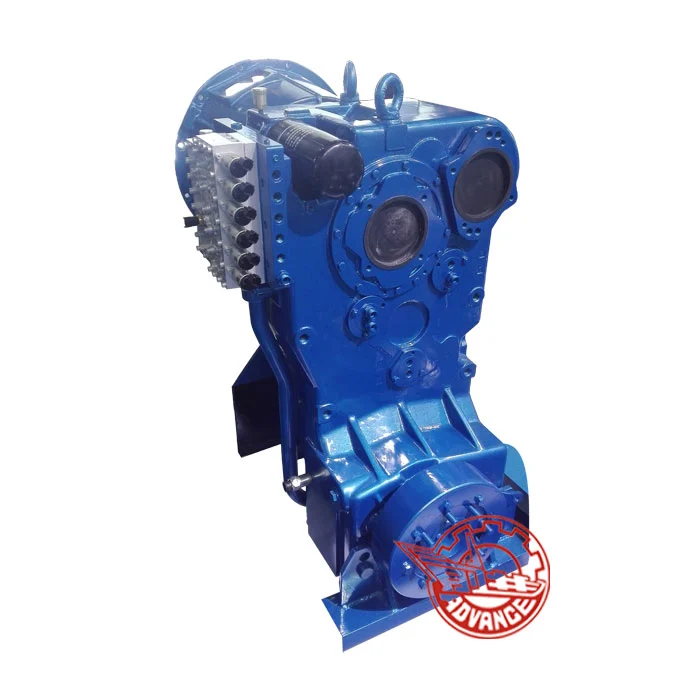
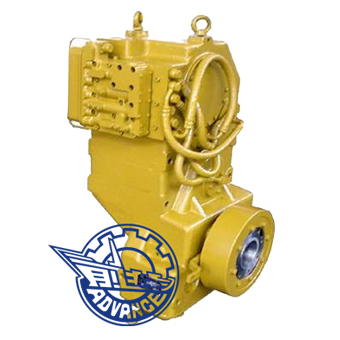
Within propulsion frameworks, transmission systems are responsible for transferring engine output into controlled rotational force. This process must be managed with precision to avoid mechanical stress and energy loss. Marine Equipments designed for transmission applications help maintain torque stability and operational smoothness, especially in vessels operating under variable load and speed conditions.
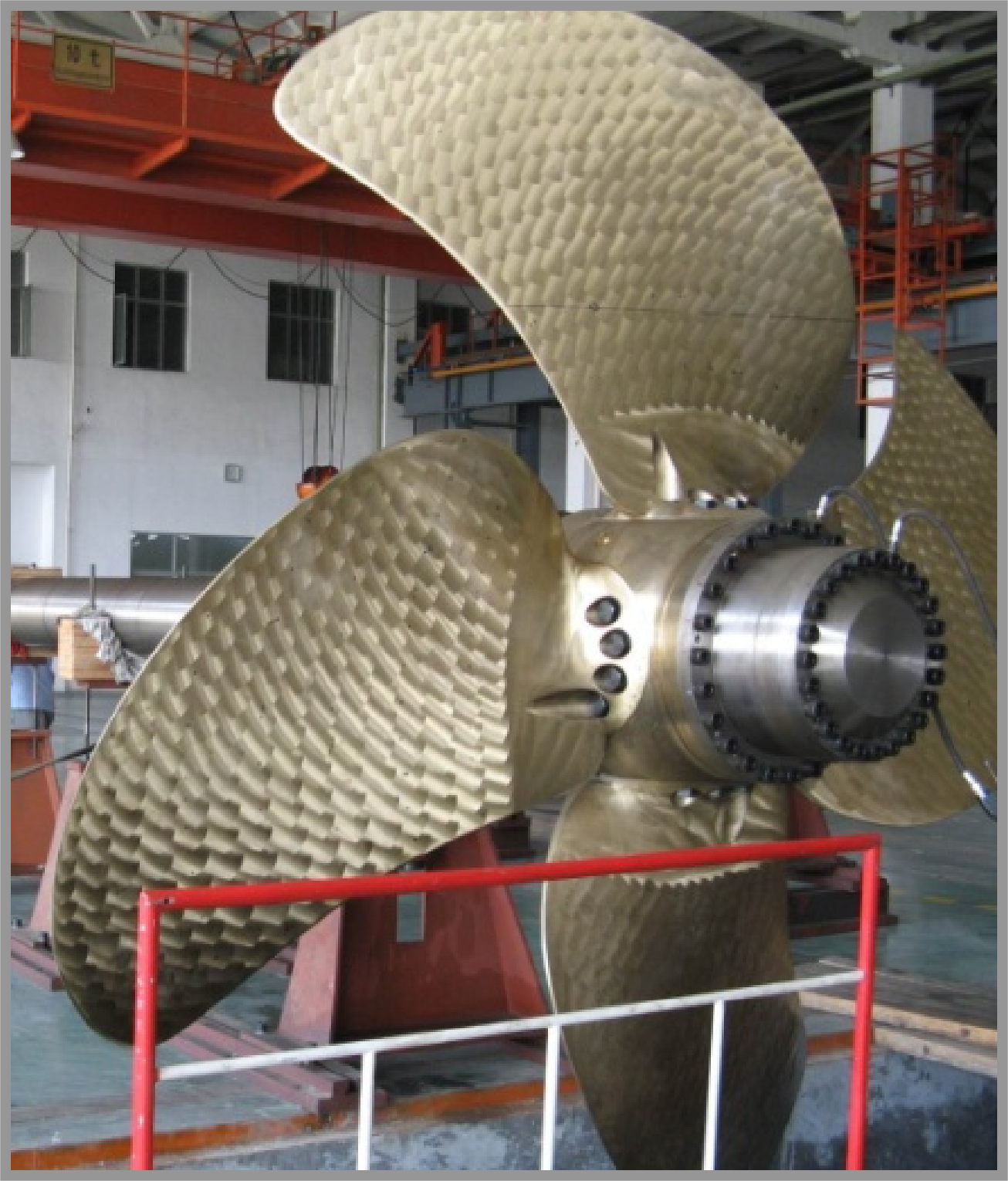
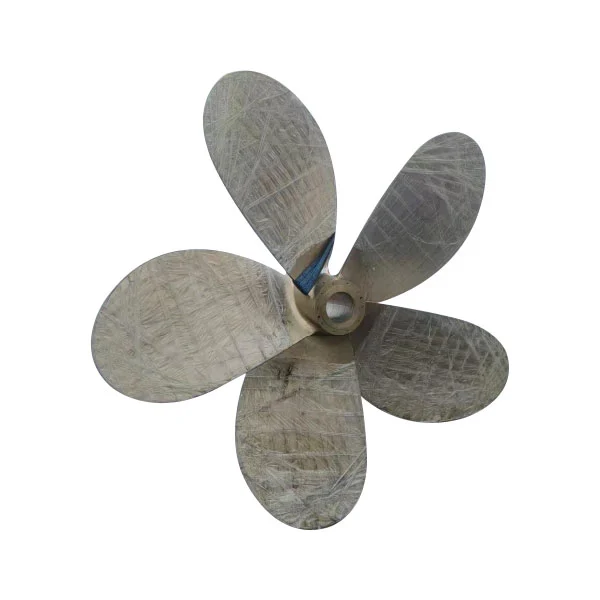
Hydrodynamic efficiency is a key factor influencing vessel speed, fuel optimization, and maneuvering capability. The design of propellers, nozzles, and related structures directly impacts water flow dynamics. The Equipments supporting hydrodynamic optimization are engineered to reduce resistance while maintaining thrust efficiency across multiple operating conditions.
Reliability is a defining requirement in marine engineering, where equipment must withstand harsh environmental conditions, including saltwater exposure, pressure fluctuations, and continuous operational cycles. Maintenance strategies are closely aligned with system design, ensuring long-term performance stability. Marine Equipments are developed with durability and serviceability in mind, enabling easier inspection and replacement processes when required.
Lifecycle management in marine systems focuses on sustaining performance efficiency over extended operational periods. This includes monitoring wear patterns, ensuring component compatibility, and optimizing replacement intervals. Engineering teams rely on standardized system structures to maintain operational consistency across fleets with varying configurations.
| System Category | Primary Function | Operational Focus |
|---|---|---|
| Propulsion Assembly | Thrust generation and directional control | Stability and maneuvering performance |
| Transmission Structure | Power transfer and torque regulation | Energy efficiency and load balance |
| Sealing and Shaft System | Protection and rotational support | Leak prevention and durability |
| Control Interface | Operational command and response coordination | Precision handling and system synchronization |
Different vessel types require tailored propulsion configurations depending on their operational roles. Cargo transport vessels prioritize endurance and stability, while offshore support units emphasize maneuverability and adaptability. Fishing fleets and research vessels demand precision control and environmental resilience. The Equipments are engineered to accommodate these varied requirements through modular design and flexible system integration.
Harsh maritime environments impose additional demands on propulsion systems, requiring enhanced resistance to corrosion, vibration, and mechanical fatigue. Engineering solutions focus on reinforcing structural integrity and optimizing system response under fluctuating operational conditions. These considerations ensure consistent performance across global marine routes.
Recent advancements in propulsion engineering emphasize digital integration, system monitoring, and adaptive performance control. Intelligent feedback systems allow operators to monitor system behavior and adjust parameters for optimal efficiency. These developments further enhance the role of Marine Equipments in modern vessel architecture by enabling smarter and more responsive propulsion systems.
Innovation trends in marine propulsion focus on improving efficiency, reducing mechanical loss, and enhancing system interoperability. Modular design approaches and standardized interfaces allow for easier system upgrades and integration across different vessel platforms. This evolution reflects the increasing complexity of maritime operational demands.
Marine propulsion technologies are widely adopted across international shipping routes, offshore exploration zones, and specialized marine operations. The adaptability of modern systems ensures compatibility with diverse regulatory environments and operational requirements. The Equipments continue to support this global expansion by providing reliable engineering foundations for vessel performance optimization.
Different maritime regions present unique operational challenges, including temperature variations, water conditions, and navigational complexity. Propulsion systems must be designed to perform consistently across these environments while maintaining structural reliability and operational safety standards.
The ongoing evolution of marine propulsion systems demonstrates the increasing importance of integrated engineering solutions in maritime operations. Marine Equipments remain essential in supporting vessel efficiency, operational safety, and system adaptability across multiple applications. As technology continues to advance, demand for reliable and scalable propulsion solutions will remain a defining factor in industry development.
Cagon Transmission stands as a specialized provider of advanced propulsion system solutions, delivering integrated marine engineering products supported by a highly experienced technical team. With deep expertise in gearbox systems, propulsion assemblies, and marine power integration, the company continues to support global vessel operations with reliable and professionally engineered solutions.